The Problem Nobody Talked About
For years, paper bag manufacturers lived with a set of frustrations they assumed were just “part of the job”:
-
Laminated paper bags that creased during forming, ruining entire batches
-
Bottom cards that fell out during production, causing jams and downtime
-
Handle changeovers that took hours and consumed valuable floor space
-
Material waste every time a paper roll ran out
These weren‘t catastrophic problems. They were death-by-a-thousand-cuts problems — each one small, but together they ate into profits, slowed production, and frustrated operators.

The Machine That Became a “First Set”
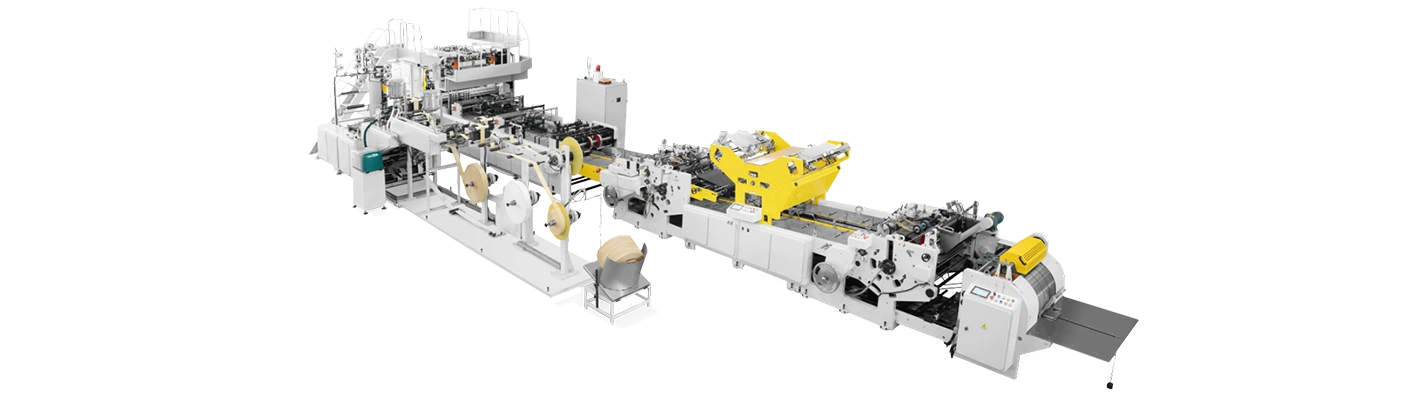
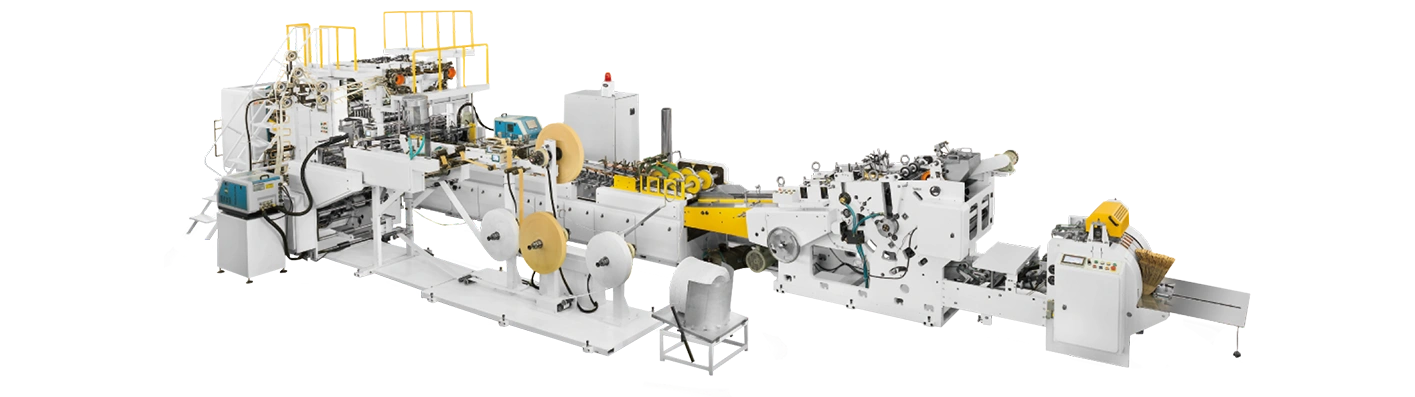
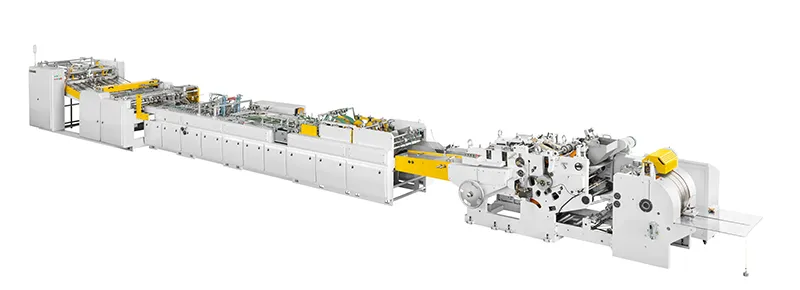
In 2020, KORO developed and manufactured a fully automatic paper bag making machine equipped with automatic reinforced cardboard pasting at the bag mouth, inserting-type top folding, and hole punching.
This wasn‘t just another machine. It was a breakthrough.
The machine could handle paper thickness from 100–300gsm at speeds up to 78 bags per minute — but more importantly, it solved problems that had plagued the industry for years.
The recognition came quickly. In 2021, this machine was named a Provincial “First Set” Product — a designation awarded only to equipment that represents a significant leap forward in manufacturing capability.
The provincial government didn‘t give this award lightly. It required proof that the machine was truly “first of its kind” in Zhejiang province. KORO provided that proof.
Solving the Crease Problem — Once and For All
Laminated paper is beautiful. It‘s also notoriously difficult to work with.
On traditional machines, when the paper tube turns over during forming, the laminated surface creases. Once creased, the bag is ruined — and so is the entire batch.
KORO’s solution was radical in its simplicity: don‘t turn the tube.
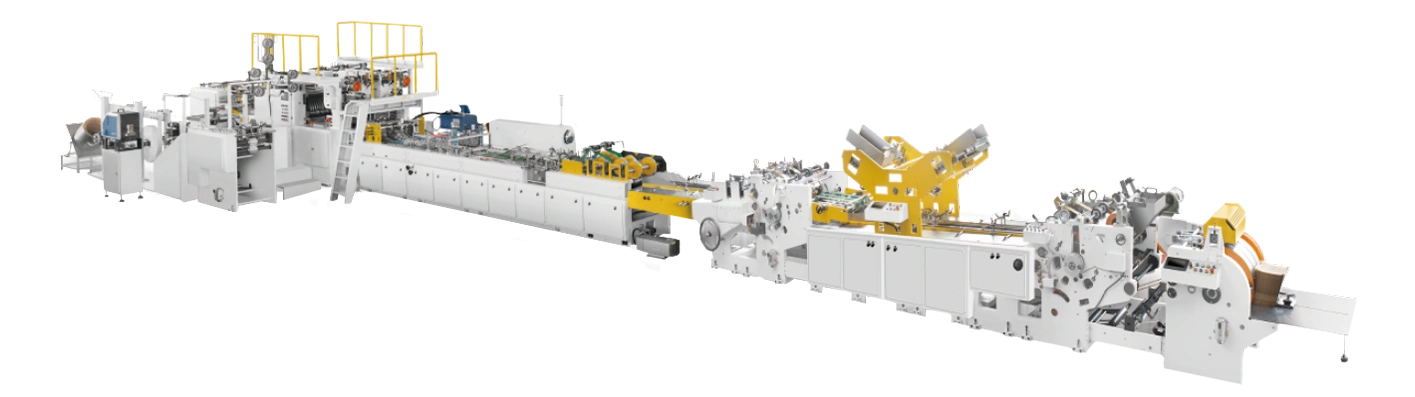
The patented 23-meter linear production line allows the tube to form and move straight through the entire process — no bending, no turning, no creases.
The result? Zero creases on laminated paper. Zero scrap from crease-related rejects. Consistent quality across every bag, every run.
Solving the Bottom Card Problem — With Geometry
Bottom cards are essential for premium bags — they provide the structure and strength that luxury packaging demands.
But on traditional machines with vertical stations, bottom cards frequently fall out during production. The result: jams, downtime, and operators frustrated by a problem that seemed impossible to fix.
KORO‘s solution was elegantly simple: angle the stations.
The angled dual stations with mini-cylinder push-flat design keep bottom cards securely in place throughout the production process. The cards don‘t fall out because gravity is working with the design, not against it.
Solving the Changeover Problem — With Physics, Not Complexity
Traditional round and flat rope production requires two separate machines or bulky side-by-side workstations. That means double the investment, double the maintenance, and double the floor space.
KORO‘s stacked design allows operators to switch between twisted rope and flat handles in just 15 minutes.
How? By stacking the handle mechanisms vertically instead of placing them side-by-side. It‘s not complicated — it’s just smarter.
The result: 50% less floor space and one machine that does the work of two.
Solving the Waste Problem — With Synchronization
Here‘s a problem most bag makers know too well: when the paper runs out, the handle-making mechanism keeps running, churning out unusable handles that end up as waste.
KORO eliminated this with synchronized stop technology. When the paper stops, the handle mechanism stops instantly.
The math: average paper roll changes = 5 times per day. Annual paper savings = 3–5 tons.
That‘s not just good for the environment — it’s money back in your pocket.
From Local Innovation to Global Trust