When B2B buyers evaluate a semi-automatic paper bag machine, the first questions usually revolve around speed, price, and bag size range. But there is another variable that often gets overlooked until the machine is already on the factory floor: the person running it.
Two identical machines sitting side by side can deliver completely different output numbers. One consistently hits production targets with minimal waste. The other struggles with jams, off-spec bags, and frequent stops. The difference frequently comes down to operator skill.
This matters because a semi-automatic paper bag machine is not a push-button system. It requires human intervention at key points—loading paper, transferring semi-finished tubes between stations, adjusting for different bag sizes, and monitoring quality. The operator's ability to perform these tasks efficiently directly determines how many usable bags leave the line each shift.
What the Numbers Actually Look Like
The gap between a skilled operator and an inexperienced one is not marginal. Research on semi-automatic kraft paper bag machines shows that an experienced operator with a steady rhythm—feeding paper at the right moment in the machine's cycle—can produce 15 to 25 percent more bags per minute than a new operator.
To put that in perspective: if a machine is rated for 80 bags per minute, a skilled operator might sustain 70 to 75 bags in real-world conditions, while an untrained operator might deliver only 55 to 60. Over an eight-hour shift, that difference adds up to thousands of lost bags.
The gap is even wider during the first six months. Undertrained operators typically deliver only 70 to 80 percent of target output during their initial learning period, whereas operators who receive structured training achieve 90 to 95 percent.
Where Operator Skill Shows Up in Daily Production
Feeding and rhythm. On a semi-automatic paper bag machine, the operator loads each sheet of paper or pre-cut blank. This manual step creates a natural speed limit that fully automatic machines do not have. A skilled operator develops a consistent rhythm—feeding the next sheet at precisely the right moment so the machine never waits. An inexperienced operator hesitates, breaks the rhythm, and introduces micro-stops that accumulate into significant downtime over a shift.
Changeover time. Semi-automatic equipment is chosen partly for its flexibility. Switching between bag sizes typically takes 90 to 120 minutes on KORO machines, with adjustments made manually rather than through programmed recipes. A trained operator knows exactly which mechanical adjustments to make, in what order, and can complete the changeover efficiently. An untrained operator may spend extra time figuring out the sequence, or worse, make incorrect adjustments that lead to misaligned folds or poor glue application.
Glue application and sealing. On machines like the KL 50A bottom gluing unit, the thickness and coverage of the glue depend partly on the operator's ability to monitor and adjust the system. Too little glue and the bottom seal fails. Too much and the bags stick together or look messy. Skilled operators catch these issues early. Inexperienced ones may run an entire batch before noticing the problem.
Troubleshooting. Most stops on a paper bag machine are not catastrophic failures. They are small issues—a paper jam, a tension drift, a glue station hiccup. A trained operator clears these in two minutes. An untrained operator may chase the same problem for thirty minutes. On a line producing 70 bags per minute, that difference represents over 2,000 bags lost per stoppage.
Common Operator Mistakes That Kill Output
Overloading the feed tray. Piling too much paper into the feeder might seem like a shortcut to higher output. In practice, it causes misfeeds, jams, and inconsistent feeding. Skilled operators know the optimal load level for their specific machine and paper type.
Incorrect tension settings. Paper feeding tension directly affects folding accuracy and bag length consistency. Improper tension settings are a common source of dimensional errors on paper bag machines. A trained operator checks tension as part of the daily routine. An untrained operator may not even know where to look.
Neglecting basic maintenance. A semi-automatic paper bag machine relies on clean, lubricated moving parts. Operators who skip daily cleaning and lubrication invite premature wear and unexpected breakdowns. The cost shows up not as a maintenance line item but as unplanned downtime.
Failing to clear debris. Paper dust and glue residue accumulate during production. If not cleared regularly, they interfere with sensors and mechanical movement. Skilled operators incorporate cleaning into their workflow. Inexperienced ones treat it as an afterthought.

Why Training Pays for Itself
A semi-automatic paper bag machine represents a significant capital investment. But the machine's actual performance—the number of saleable bags it produces each day—depends heavily on the person operating it.
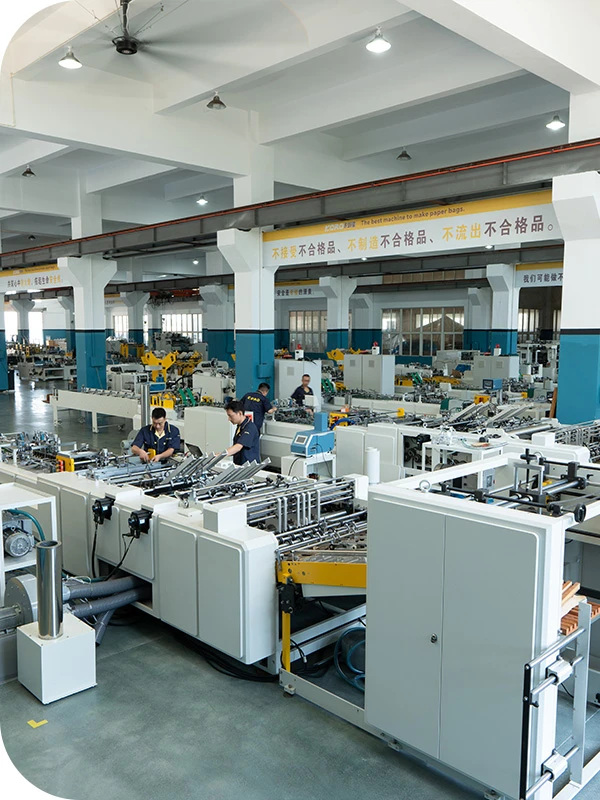
The good news is that operator skill is not fixed. It can be developed through structured training. Leading manufacturers offer installation support and on-site training, continuing until operators are comfortable with the equipment. This is not a nice-to-have. It is a core part of protecting the investment.
What does effective training cover? Mechanical literacy—understanding how paper flows through the machine from feed to finished bag. HMI fluency—navigating the control panel confidently to load recipes and adjust settings. Material knowledge—knowing that different paper weights and coatings behave differently under tension, glue, and heat. And structured troubleshooting—working through faults methodically rather than guessing.
The Real ROI Question
When calculating the return on investment for a semi-automatic paper bag machine, most buyers compare the equipment cost against labor savings and production capacity. But the calculation changes if the operator is not fully trained.
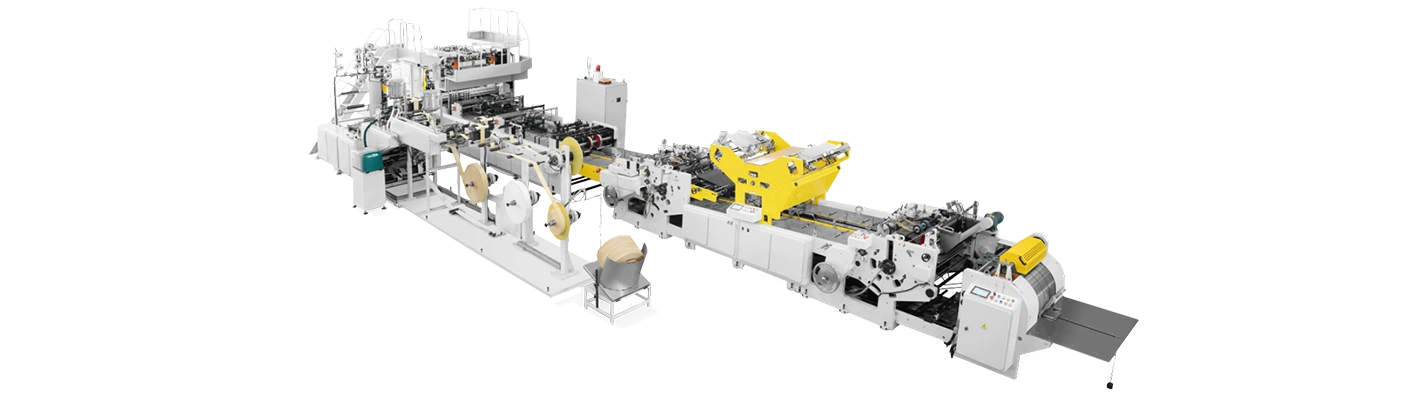
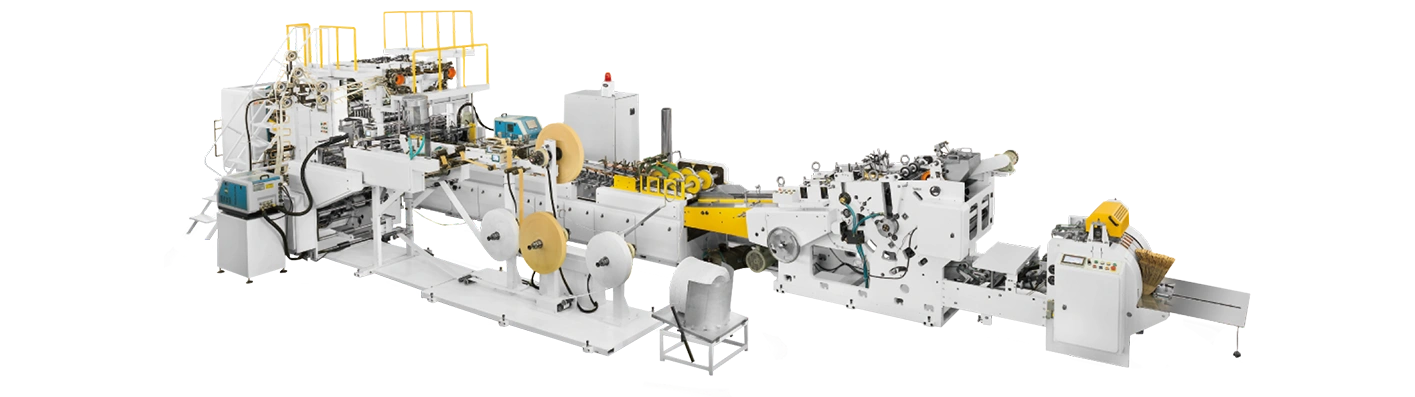
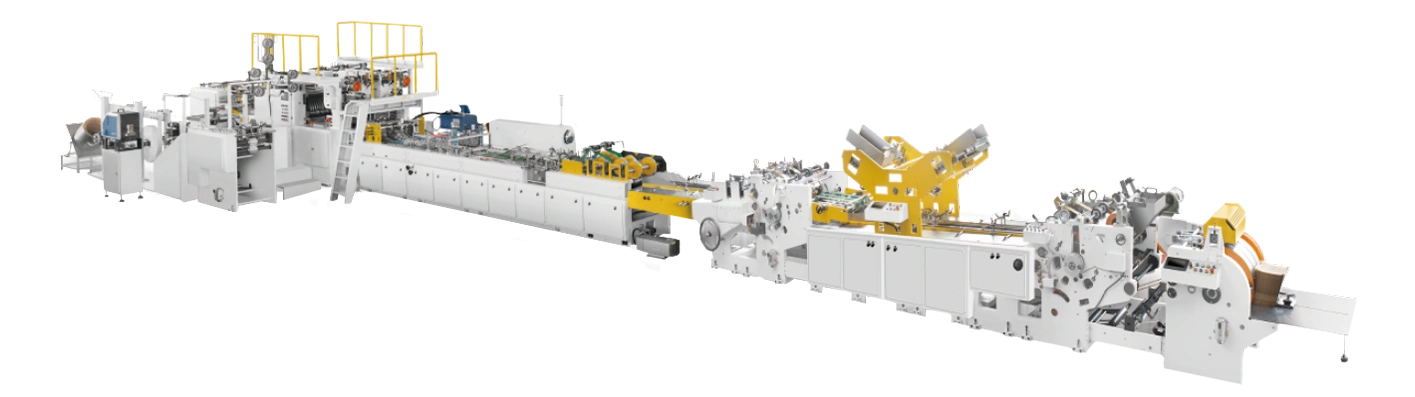
A KL 1200F tube forming machine running at 70 to 100 bags per minute can pay back in three to six months under good conditions. A full combination line—1200F plus 350C bottom card machine plus 50A bottom gluing unit—typically pays back in six to ten months. These timelines assume the equipment is running at reasonable efficiency.
If operator skill reduces actual output by 20 percent, the payback period stretches proportionally. If scrap rates increase because of poor setup or undetected quality issues, the financial impact compounds.
Summary
Operator skill is not a secondary consideration when buying a semi-automatic paper bag machine. It is a primary driver of whether the equipment meets its production targets, delivers the expected ROI, and integrates smoothly into your factory workflow.
An experienced operator can sustain consistent output, complete changeovers efficiently, catch quality issues early, and resolve minor problems before they become major stoppages. An undertrained operator introduces variability, waste, and downtime that erode the machine's value.
The difference is measurable in bags per minute, scrap rate, and ultimately, profit per shift. Training is not an optional extra. It is the factor that determines whether your semi-automatic paper bag machine performs like the asset you intended it to be.
Ready to get the most out of your production line?
Whether you are evaluating your first semi-automatic paper bag machine or looking to improve output on an existing line, we can help. Our team provides installation support, on-site training, and ongoing technical assistance to ensure your operators are fully prepared.
Contact Us to discuss your production targets, bag specifications, and training needs.