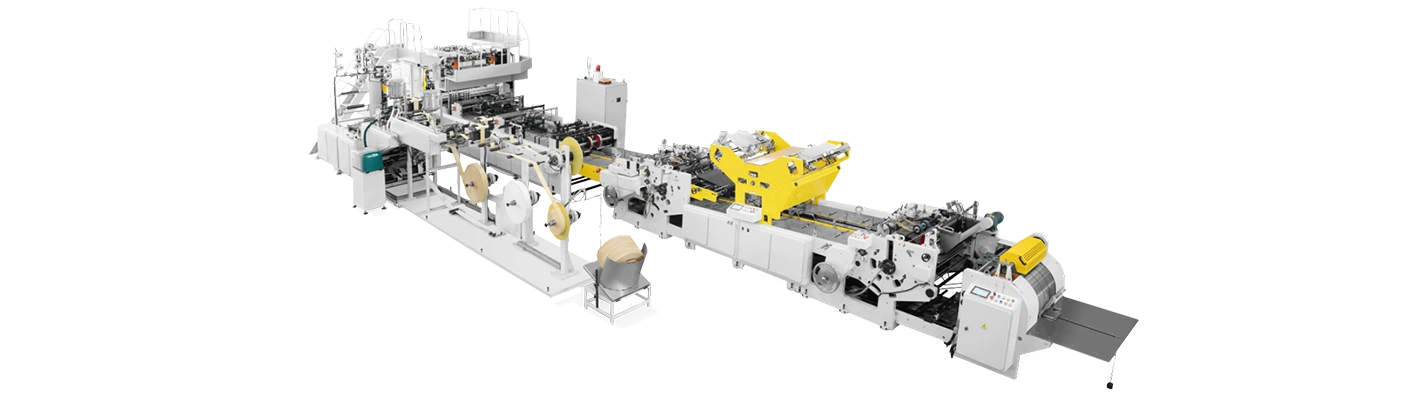
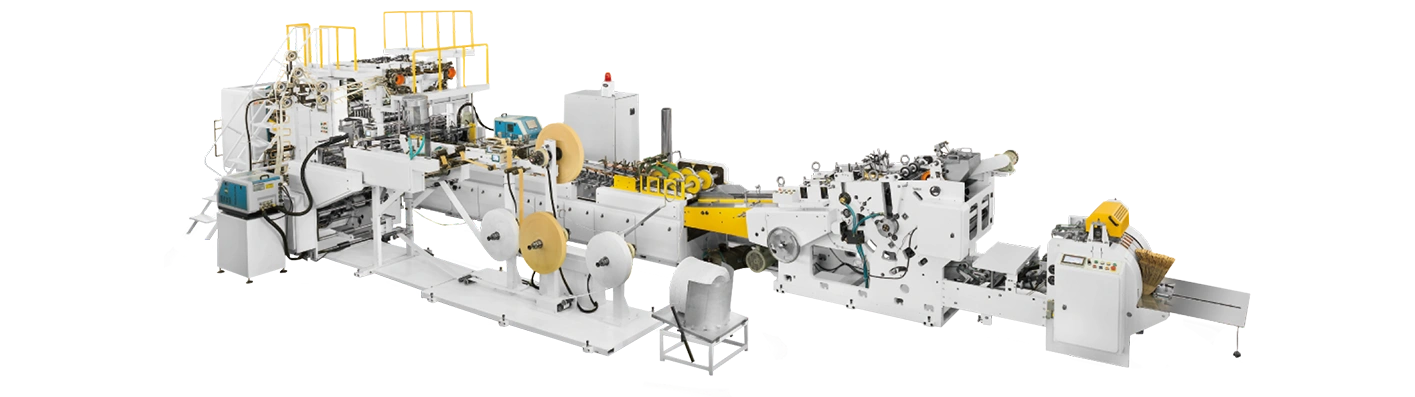
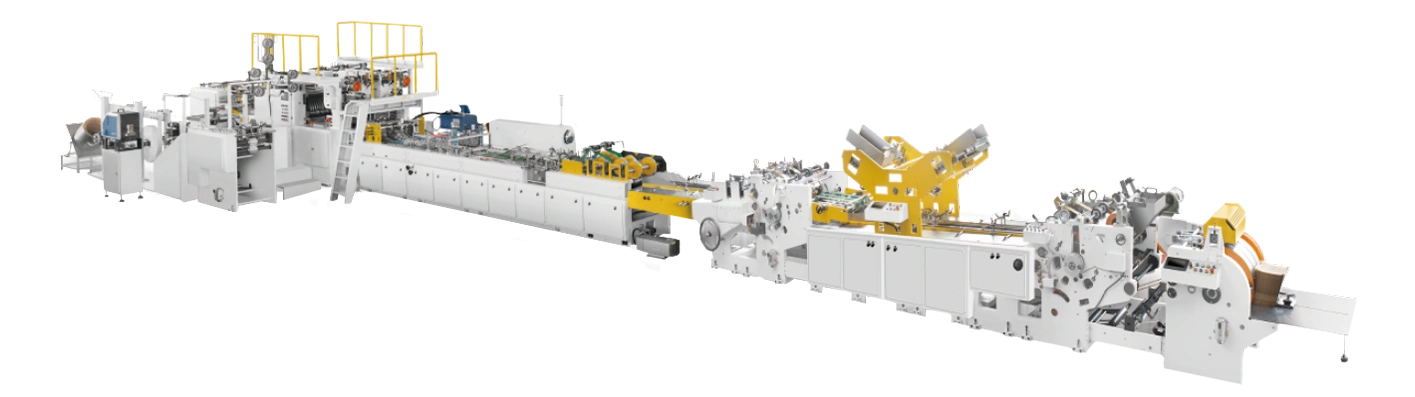
Your luxury paper bag making machine has been running smoothly for weeks. Then, without warning, it jams. Production stops. Operators scramble to clear the issue. A two-hour delay turns into a missed shipping deadline.
The culprit? A component that should have been cleaned or lubricated days ago—but wasn't.
Bag making machines operate under high-speed, repetitive conditions, often 24/7. Over time, this relentless pace takes a toll on roll feeders, tension control systems, sealing blades, heat elements, pneumatic cylinders, and drive motors. When servicing is neglected, the cost of downtime and emergency repairs can quickly exceed the cost of preventive upkeep.
The question isn't whether your luxury paper bag making machine needs maintenance. It does. The real question is: what does that maintenance actually look like, and how often should it happen?
This guide breaks down a practical, frequency-based maintenance schedule—daily, weekly, and monthly—to help you keep your equipment in top condition, reduce scrap, and avoid the costly surprises that come from reactive maintenance.
Daily Maintenance: The Non-Negotiable Foundation
Daily maintenance tasks are the foundation of reliable machine operation. These checks take only a few minutes at the start and end of each shift, but they prevent the majority of common issues.
Start-of-Shift Checks
Every morning, before the first bag runs through your luxury paper bag making machine, run through these essentials:
Check air pressure and compressor filters. Inconsistent air pressure affects feeding, folding, and gluing functions. Drain water from the air compressor storage tank and oil-water separator—moisture in the air supply degrades pneumatic component performance over time.
Inspect paper roll alignment and tension. Misaligned rolls cause tracking drift and uneven folds. On a luxury paper bag making machine producing premium packaging, even slight misalignment shows up immediately in the finished product.
Listen for unusual noises or vibrations. Your ears are one of the best diagnostic tools you have. Unusual sounds often indicate bearing wear, loose components, or mechanical imbalance—problems that are far cheaper to fix when caught early.
Verify all emergency stops and safety interlocks are functional. This one is non-negotiable for operator safety.
End-of-Shift Cleaning
At the end of each shift, the routine shifts from inspection to maintenance.
Clean dust and debris from sealing units, cutters, rollers, and conveyor belts. Paper dust and adhesive residue accumulate quickly, especially on heat seal blades and surrounding areas. Wipe them clean daily to prevent poor sealing quality.
Remove glue residue from coated parts, guides, forming plates, and fold-in knives. Dried adhesive buildup forces the machine to work harder. Nozzles clog, pressure drops, and the glue transfer mechanism starts to slip. Over time, this leads to worn components and expensive repairs.
Clean photoelectric sensors. Dirty sensors cause misalignment and tracking errors that compromise bag quality.
End-of-Shift Lubrication
Check all lubrication points before starting the machine to avoid failure. About 90% of bearings in a paper bag making machine are in anti-friction form. Apply lubricant to moving parts as needed. Proper lubrication ensures the best performance and extends the useful life of components.

Weekly Maintenance: The Deeper Dive
Weekly tasks go beyond surface cleaning to inspect components that experience gradual wear.
Inspection Tasks
Inspect cutting blades for wear, chipping, or dullness. Dull blades cause uneven cuts and poor sealing quality. On a luxury paper bag making machine producing high-end cosmetic or gift bags, blade condition directly affects the finished product's appearance.
Check all chains and belts for proper tension. Loose chains slip; overtightened chains strain motors. Regular tension checks prevent both issues.
Tighten loose bolts and fasteners. Pay special attention to high-vibration areas such as the bag feeder, cutters, and rollers. Continuous operation causes screws and bolts to loosen over time.
Inspect electrical wiring for exposed, broken, or loose connections. Electrical issues can shut down your luxury paper bag making machine just as effectively as mechanical failures.
Calibrate temperature controllers on sealing and heating elements. Inconsistent temperatures mean inconsistent seals—and inconsistent seals mean rejected bags.
Test all emergency stop buttons and safety light curtains.
Cleaning and Lubrication
Clean internal components. Remove covers and carefully remove oil stains and debris from internal parts.
Thoroughly clean photoelectric sensors and safety light curtains.
Lubricate chains. Apply oil evenly with a brush or oil can.
Quality Check
Run a short test batch and inspect bag quality. Any change in bag shape, size, or seal quality signals a problem that needs attention before full production resumes.
Monthly Maintenance: The Comprehensive Review
Monthly maintenance tasks address the systems that keep your luxury paper bag making machine running at peak efficiency over the long term.
Inspect belt tension and motor couplings. Worn belts and loose couplings reduce power transmission efficiency and can lead to premature motor failure.
Clean or replace filters in pneumatic systems. Clean filters ensure consistent air pressure and protect pneumatic components from contamination.
Review firmware or software error logs. Modern luxury paper bag making machines generate diagnostic data that can reveal emerging issues before they cause downtime.
Perform test runs for all bag formats you produce. This ensures your machine can switch between configurations reliably when customer orders demand it.
Check the insulation resistance of each motor with a megohmmeter. Insulation resistance should reach above 0.5 megohms. Check if motors rotate smoothly, if bearing gaps are excessive, and if there are abnormal sounds.
Check the oil level of the gearbox. Gear oil No. 460 is typically used for the gearbox.
Check the bearing status of the main drive shaft and the cam mechanism.
Remove debris and paper dust from gear teeth. Check the tooth surface for damage or cracking.
Inspect guide roller bearings. Grip the shaft end of each guide roller and check for loosening in forward/backward and left/right directions.
Spare Parts: Stock What Matters
Even with the best maintenance routine, components wear out. A smart inventory of spare parts is key to reducing machine downtime.
Focus your spare parts stock on:
- Cutting blades and sealing wires
- Bearings and belts
- Temperature probes and thermocouples
- HMI touchscreens and control modules
- Pneumatic valves and cylinders
Pro tip: Track usage frequency to determine what parts you should keep in-house. A luxury paper bag making machine that sits idle waiting for a replacement bearing costs far more than the bearing itself.
Train Your Team
No machine runs better than the people who maintain it. Ensure your operators and technicians are trained to:
- Identify early warning signs of wear or failure
- Perform safe, fast changeovers and cleaning
- Troubleshoot basic mechanical and software errors
- Understand material-specific requirements for different paper stocks
Create a maintenance SOP binder that's easily accessible on the production floor. When everyone on your team knows what to check and when to check it, your luxury paper bag making machine stays productive longer.
Summary
Choosing the right luxury paper bag making machine is only half the equation. Keeping it running reliably requires a disciplined maintenance routine that catches small problems before they become big ones.
What to take away:
- Daily maintenance—air pressure checks, cleaning sealing units and sensors, end-of-shift lubrication—prevents the majority of common issues
- Weekly inspections—blades, belts, bolts, electrical wiring, and temperature calibration—catch gradual wear before it causes failure
- Monthly reviews—pneumatic filters, motor insulation, gearbox oil, and guide roller bearings—keep the entire system in balance
- Smart spare parts inventory reduces downtime when components eventually need replacement
- Well-trained operators are your first line of defense against unexpected breakdowns
Need a Maintenance Plan Tailored to Your Production Goals?
Whether you're already running a luxury paper bag making machine or evaluating which model fits your product line, we can help. Our team can walk you through maintenance best practices, recommend spare parts kits, and provide on-site training until your operators are fully comfortable.
Contact us to discuss your production targets, paper stock requirements, and any custom configuration needs for your next luxury paper bag making machine.