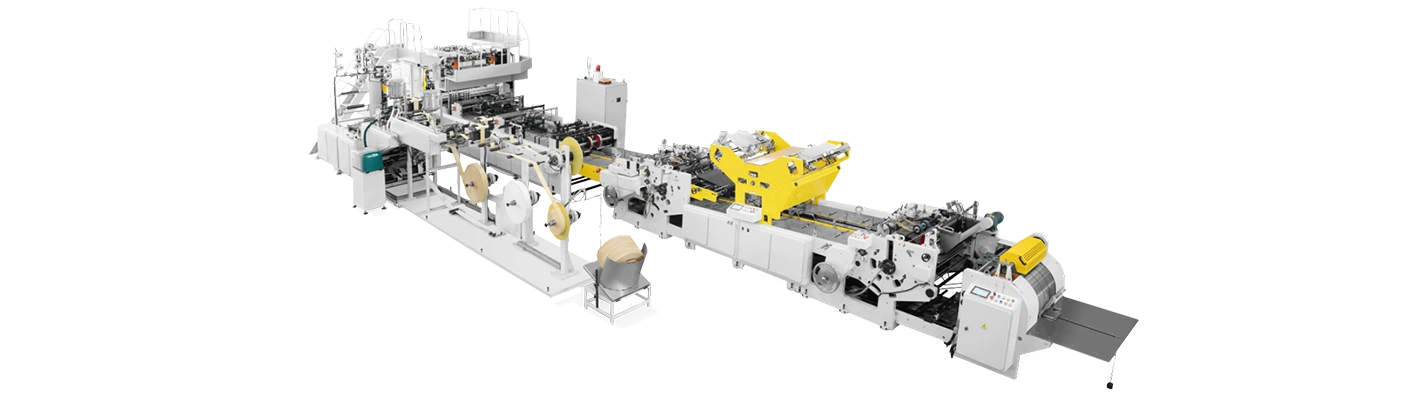
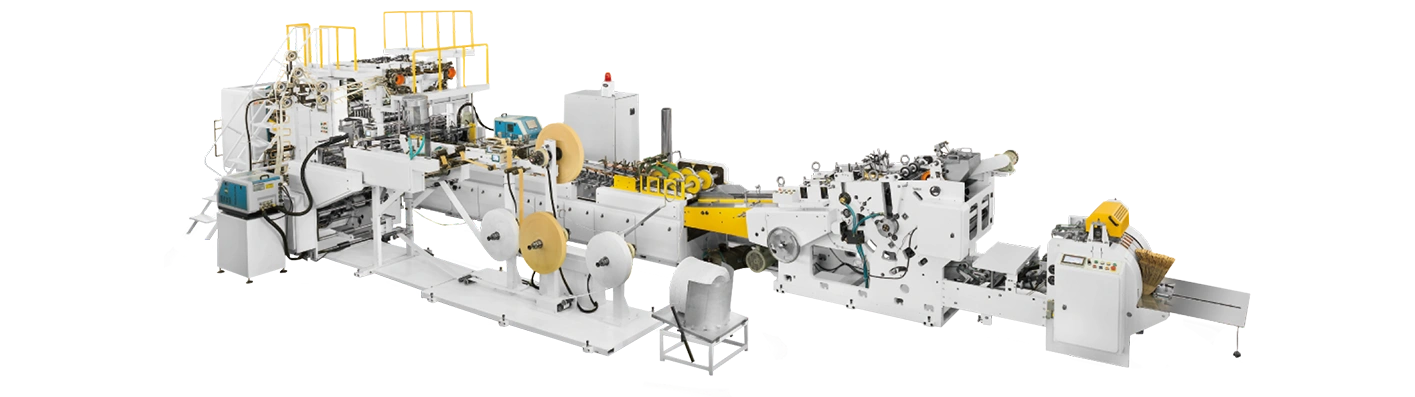
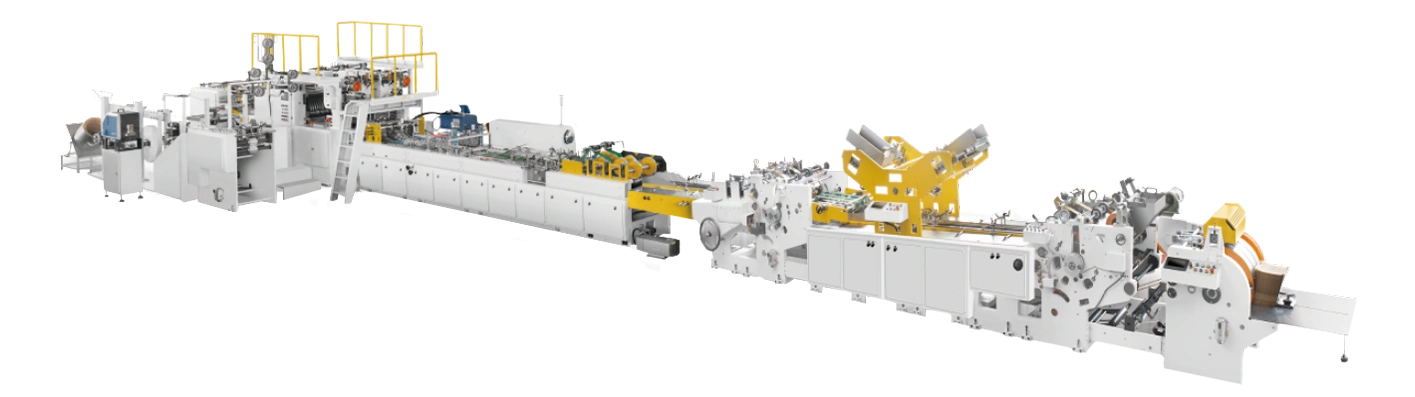
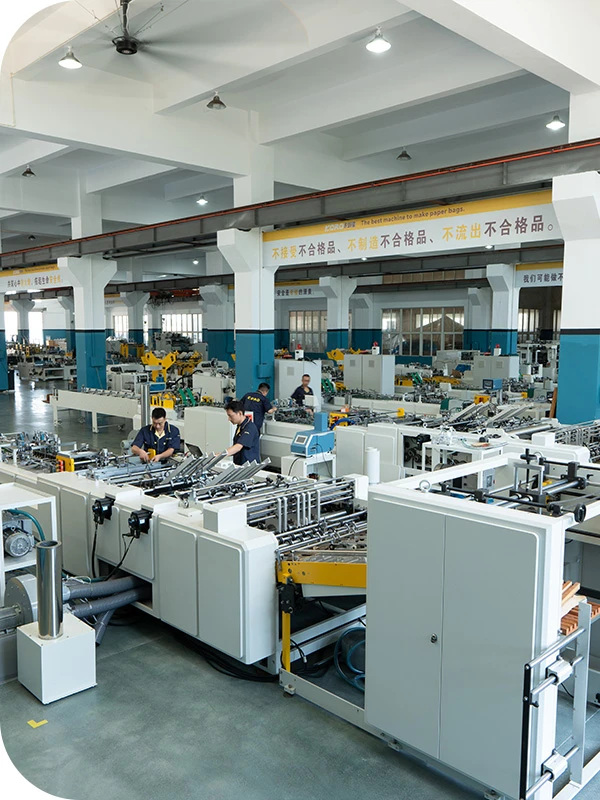
You have invested in a paper bag making machine, set up your production line, and started running orders. But instead of crisp, professional bags, you are pulling out batches with crooked folds, wrinkled sides, and seams that pull apart with minimal effort.
This is frustrating — and expensive. Every defective bag is wasted material, wasted labor, and a hit to your bottom line. Worse, if subpar bags reach your customers, your brand reputation takes a direct blow.
The good news? Most of these issues are preventable. Understanding what causes uneven folds and weak seams on paper bag making machines is the first step toward eliminating them. Let us walk through the most common culprits and, more importantly, how to fix them.
Paper Quality and Material Inconsistencies
The foundation of any good bag is the paper itself. If your paper stock is inconsistent, your paper bag making machine cannot compensate — no matter how well calibrated it is.
Inconsistent paper thickness is one of the most frequent offenders. When the paper varies in thickness across the sheet or from batch to batch, the machine's rollers and folding plates struggle to maintain uniform pressure. Thicker sections get over-compressed; thinner sections lack proper creasing. The result? Uneven folds that look unprofessional and weaken the bag's structural integrity.
Moisture content also plays a significant role. Paper that is too dry becomes brittle and prone to cracking along fold lines. Paper that is too moist can warp during the heat-sealing process, creating bubbles or blisters in the seam area. Either scenario leads to weak seams that fail under load.
Solution: Work with reliable paper suppliers and verify material specifications before running large batches. If you notice fold quality shifting mid-run, check whether you have switched to a different paper lot. Store paper in a climate-controlled environment to minimize moisture-related issues.
Heat Sealing: Too Hot, Too Long, or Just Wrong
Heat sealing is where many paper bag making machines develop problems. The process seems simple — apply heat and pressure to fuse coated layers — but getting the parameters right requires precision.
Excessive heat or extended sealing time is a primary cause of weak, brittle seals. When the temperature climbs too high, the PE or PLA coating on the paper can degrade rather than bond properly. The seal may look complete but lacks actual strength. Similarly, if the sealing time is too long, the material can scorch, leading to paper damage and wrinkles around the seam area.
Insufficient heat or pressure creates the opposite problem: the coating does not fully melt and fuse. The seam holds together initially but separates under stress. This is particularly dangerous because the defect is not always visible to the naked eye — bags may pass visual inspection but fail in actual use.
Uneven sealing surfaces compound these issues. If the heat-sealing knife or silicone pad is worn or not perfectly flat, pressure distributes unevenly across the seam. Some areas receive adequate heat and pressure; others do not. The result is a seam that is strong in spots and weak in others — a failure waiting to happen.
Solution: Regularly verify your heat sealing temperature against the paper manufacturer's recommendations. Different coatings and paper weights require different settings. Inspect sealing knives and pads for wear, and replace them before they compromise quality. Run seal strength tests periodically throughout production to catch drift before it becomes a problem.
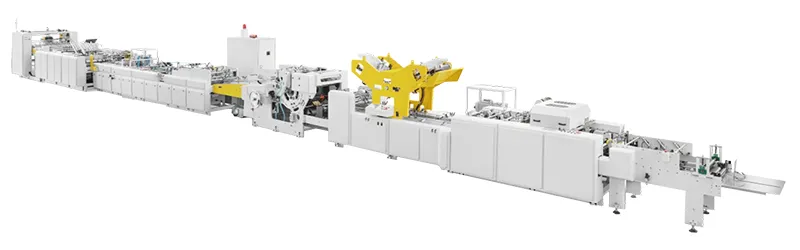
Mechanical Misalignment and Worn Components
Paper bag making machines are complex pieces of equipment with dozens of moving parts working in precise coordination. When any component falls out of alignment or wears down, the entire system suffers.
Misaligned guide rollers and folding plates cause paper to track sideways as it moves through the machine. Instead of folding along straight, parallel lines, the paper creases at an angle. The resulting bag has an asymmetrical bottom or crooked side seams. In severe cases, the paper may completely miss the folding station, causing jams that halt production entirely.
Worn or dirty feed rollers lose their grip on the paper. The sheet may slip, feed unevenly, or fail to advance at the correct speed. This creates tension variations that manifest as wrinkles or puckering in the finished bag.
Loose fasteners are a surprisingly common issue. Vibration from normal operation can gradually loosen screws and bolts. A loose screw on a feed roller or folding plate introduces play into the system, and even a fraction of a millimeter of movement can throw off fold accuracy.
Solution: Implement a regular inspection schedule. Check guide rollers, folding plates, and feed rollers for wear, debris, and proper alignment. Tighten all fasteners periodically. Clean glue residue and paper dust from forming plates and fold-in knives — buildup here is a frequent and easily overlooked source of defects.
Crease Depth and Folding Precision
The crease is where the bag takes its shape. If the crease is wrong, the bag is wrong.
Incorrect crease depth is a subtle but critical factor. The optimal crease depth is typically about 50–70% of the paper thickness. Too shallow, and the paper resists folding, creating uneven or bulging corners. Too deep, and the paper weakens at the fold line, making the bag prone to tearing along the crease.
Skewed crease lines compound the problem. The crease lines must run perfectly parallel to the bag edges. Any skew causes the bottom to become asymmetrical. The folding sequence then compounds this error, resulting in a bag that simply does not sit flat.
Solution: Check your creasing tools regularly. Ensure the creasing matrix and male rule are properly aligned and not worn. Run test folds after any adjustment and measure the results before committing to a full production run.
Operator Error and Training Gaps
Even the best paper bag making machine cannot perform optimally without proper operation. Many quality issues trace back to simple mistakes or lack of training.
Incorrect machine setup for a given paper weight or bag size is common. Operators who do not fully understand the machine's adjustment points may leave settings from a previous run in place. The result is predictable: the machine produces bags that do not meet specifications.
Failure to monitor during production allows small issues to escalate. A slight temperature drift, a gradually clogged suction nozzle, or a slowly loosening bolt — none of these are dramatic events on their own. But left unaddressed, they create defects that accumulate over time.
Solution: Invest in thorough operator training. Ensure your team understands not just how to start and stop the machine, but how to recognize early warning signs of trouble. Create a simple checklist for startup, changeover, and routine monitoring. Empower operators to stop production when they spot anomalies — it is far cheaper to pause for adjustment than to scrap an entire batch.
Summary
Uneven folds and weak seams on paper bag making machines are not inevitable. They are symptoms of underlying issues — inconsistent materials, improper heat settings, mechanical wear, or operator gaps. Each of these can be identified and corrected with the right approach.
What to remember:
Paper quality and consistency are non-negotiable; verify your stock before every run.]Heat sealing parameters must match your specific material — test and adjust regularly.Mechanical alignment and component wear demand routine inspection.Operator training and clear procedures prevent small issues from becoming big problems.
Ready to Get the Most from Your Paper Bag Making Equipment?
Quality issues on your paper bag making machines do not have to be part of your daily routine. With the right knowledge, regular maintenance, and proper support, you can achieve consistent, professional results run after run.
Whether you are troubleshooting an existing machine or planning your next equipment investment, our team is here to help. Contact us to discuss your production challenges, maintenance needs, or any questions about optimizing your paper bag making machinery.