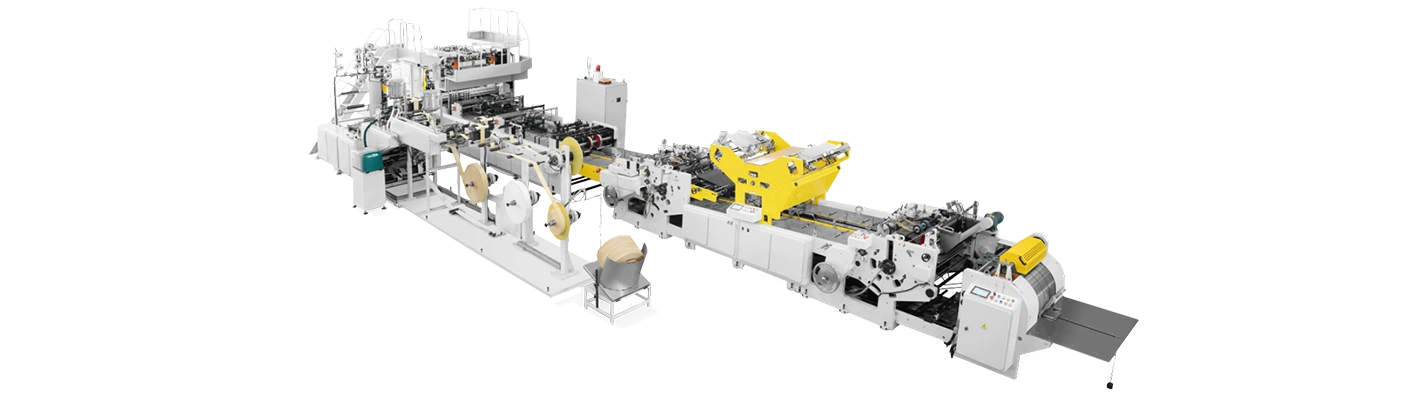
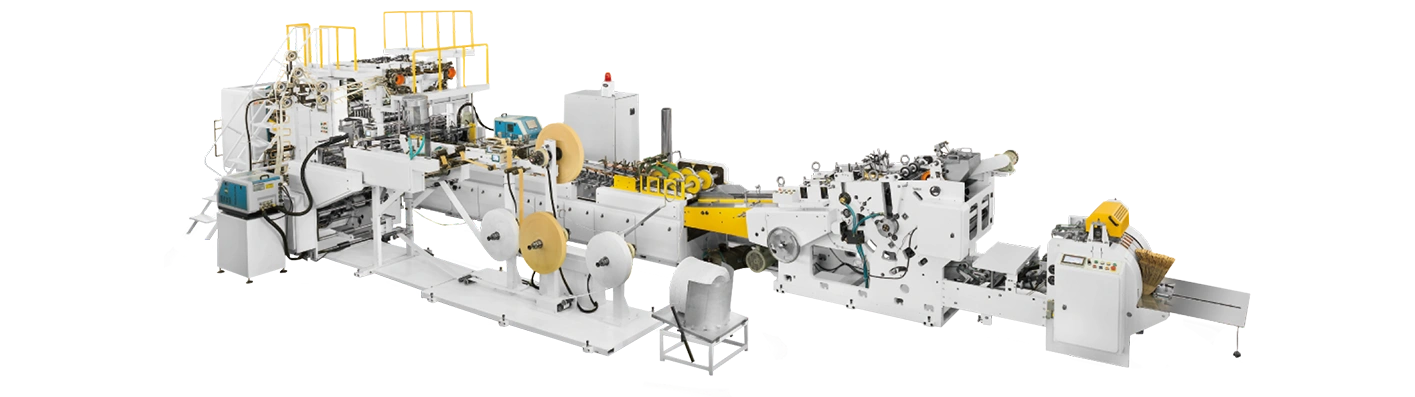
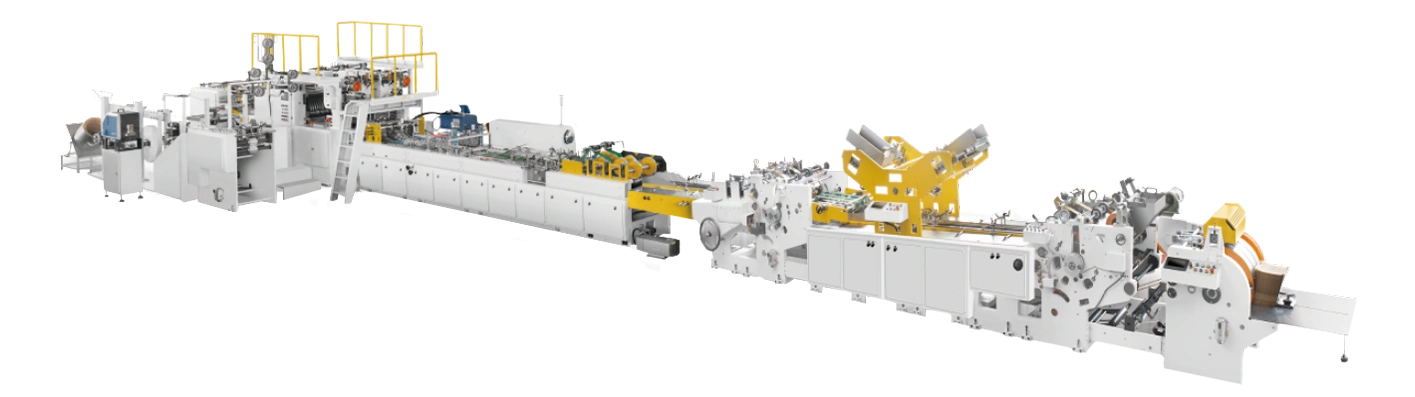
Any fully automatic paper bag machine operates under high-speed, repetitive conditions — often around the clock. Over time, this continuous operation takes a toll on components that are subject to friction, pressure, and contact with adhesives. Understanding which parts wear out fastest — and knowing when to replace them — is the difference between a production line that runs smoothly and one that suffers from unplanned stops, rejected batches, and rising maintenance costs.
The reality is that a paper bag making machine that should last a decade can start showing serious wear in just a few years if wear parts are not monitored and replaced on schedule. This guide covers the most common wear components on a fully automatic paper bag machine, their typical service life, and the warning signs that tell you it is time for a replacement.
Cutting Blades and Slitting Knives
Cutting blades are among the hardest-working components on any fully automatic paper bag machine. These blades trim paper to size, create perforations, and separate finished bags from the web. With constant use, blades dull, develop nicks, or become misaligned.
When to replace: Most manufacturers recommend resharpening cutting blades every 8 to 20 hours of operation, depending on the paper stock being processed. Recycled paper and heavier grammage materials wear blades faster than virgin stock. If you notice ragged edges, incomplete cuts, or paper that tears rather than shears cleanly, it is time to sharpen or replace the blade. A dull blade does not just affect bag quality — it also puts additional strain on the machine's drive system, which can lead to more expensive repairs down the line.
Glue Rollers, Nozzles, and Scrapers
The glue system is another area where wear is inevitable. Glue rollers apply adhesive to the bottom and side seams of each bag. Over time, these rollers develop uneven surfaces from constant contact with adhesive and paper fibres. Glue nozzles can become blocked or worn, leading to inconsistent bead width and poor adhesion. Scrapers that clean excess glue from the rollers also wear down and lose their effectiveness.
When to replace: Glue rollers typically need resurfacing or replacement every 6 to 12 months, depending on production volume and the type of adhesive used. Nozzles should be inspected weekly and replaced when they show signs of wear or blockage. The best approach is a tiered maintenance schedule: wipe down glue rollers after each shift, perform a thorough cleaning weekly, and conduct a deep clean quarterly. If you notice glue splatter on finished bags, uneven seam sealing, or adhesive pooling where it should not be, inspect the glue system immediately.
Feed Rollers and Suction Cups
Paper feeding is where the entire production process begins, and feed rollers are subjected to constant friction. Worn or glazed feed rollers lose their ability to grip paper securely, which leads to misfeeds, paper jams, and inconsistent bag dimensions. Suction cups that pull paper from the stack also wear out — their rubber surfaces harden, crack, or lose suction over time.
When to replace: Feed roller rubber sleeves should be inspected monthly and replaced when the surface shows signs of glazing, cracking, or uneven wear. Suction cups typically need replacement every 1 to 3 months, depending on operating conditions. Warning signs include paper that fails to feed consistently, double-sheet feeding, or bags that come out with skewed dimensions. A sheet fed paper bag machine relies heavily on precise paper handling, so keeping these components in good condition is essential for maintaining production speed and quality.
Pneumatic Cylinders and Seals
Modern fully automatic paper bag machines rely on pneumatics for many operations — clamping, folding, pressing, and ejecting. Pneumatic cylinders contain seals that wear out over time, especially in environments with paper dust and adhesive residue. Worn seals cause air leaks, reducing cylinder force and slowing down machine cycles.
When to replace: Cylinder seals typically last 12 to 24 months under normal operating conditions. However, if you notice cylinders moving slowly, failing to reach full extension, or making unusual noises, inspect the seals immediately. Replacing seals is relatively inexpensive, but ignoring the problem can lead to cylinder scoring, which requires a much more costly replacement of the entire cylinder.
Conveyor Belts and Drive Chains
Conveyor belts transport paper blanks and finished bags through various stations on a paper bag production machine. These belts stretch, wear, and accumulate adhesive residue over time. Drive chains that transfer power from motors to moving components also stretch and develop slack, which affects timing and precision.
When to replace: Conveyor belts and chains typically last 6 to 12 months in a high-volume production environment. Check belt tension weekly and look for signs of stretching, cracking, or adhesive buildup. Chains should be inspected for elongation — if a chain has stretched beyond its recommended limit, it can skip teeth on sprockets, causing timing errors that result in misaligned folds or incomplete seams.
Sensors and Photoelectric Eyes
Modern fully automatic paper bag machines use sensors to detect paper position, count bags, and trigger various operations. These sensors — particularly photoelectric sensors — can become covered in paper dust or adhesive residue, leading to false readings or missed signals.
When to replace or clean: Sensors themselves rarely need replacement, but they do require regular cleaning. Wipe sensors clean at the start of each shift. If cleaning does not restore proper function, the sensor may have internal damage and should be replaced. Symptoms of sensor issues include bags not being counted correctly, the machine stopping unexpectedly, or operations occurring out of sequence.
The Cost of Neglecting Wear Parts
The numbers tell a clear story. A paper bag making machine that jams just three times per shift — at five minutes each — loses roughly 60 hours of production annually. That does not include the cost of rejected bags, wasted materials, or the labour required to clear jams and restart production.
Replacing wear parts on schedule is not an expense — it is an investment in production reliability. KORO's fully automatic paper bag machines are built with heavy-duty components and backed by a one-year warranty that covers wearing parts at no charge for the first year. For ongoing maintenance, genuine spare parts are readily available, and the after-sales team responds within 24 hours to support customers worldwide.
A Practical Maintenance Framework
To keep your fully automatic paper bag machine running at peak performance, implement a maintenance schedule that covers daily, weekly, monthly, and quarterly tasks:
- Daily: Check air pressure and compressor filters. Clean dust and debris from sealing units. Inspect paper alignment and tension.
- Weekly: Inspect cutting blades for wear or chipping. Check glue rollers and nozzles for blockages.
- Monthly: Inspect belt tension and motor couplings. Clean or replace air filters.
- Quarterly: Conduct a deep clean of the glue system. Inspect all bearings and bushings for wear.
Summary
A fully automatic paper bag machine is a significant investment, and protecting that investment means understanding which components wear out and when to replace them. Cutting blades, glue rollers, feed rollers, suction cups, pneumatic seals, conveyor belts, and sensors all have finite service lives. Replace them before they fail, and your production line stays productive.
Key takeaways:
- Cutting blades need attention every 8–20 hours of operation; replace when edges become dull
- Glue rollers and nozzles require weekly inspection and replacement every 6–12 months
- Feed rollers and suction cups should be checked monthly; suction cups typically last 1–3 months
- Pneumatic seals last 12–24 months; replace at the first sign of air leakage
- Conveyor belts and chains generally need replacement every 6–12 months
- Clean sensors daily; replace only if cleaning does not restore function
Ready to Optimise Your Paper Bag Production?
Whether you are currently operating a fully automatic paper bag machine or planning to invest in one, understanding maintenance requirements is essential for long-term success. KORO's team can help you develop a preventive maintenance plan tailored to your production volume and paper types.
Contact us today to discuss your maintenance needs, order genuine spare parts, or learn more about our fully automatic paper bag machine range — from sheet-fed models to high-speed roll-fed solutions.